
Favorite Products For Concrete Cutting Contractors
Select from trusted tools and gear favored by professionals for consistent, efficient concrete cutting results.
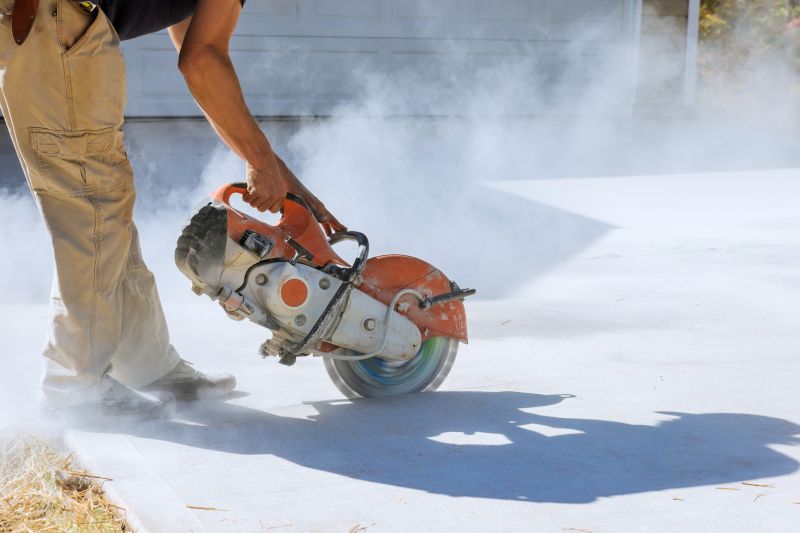 For professionals and DIY enthusiasts working with concrete, selecting the appropriate cutting tools is essential for achieving precise and efficient results. Concrete cutting products encompass a variety of tools and accessories designed to handle different types of projects, from small repairs to large-scale construction. These tools are engineered to withstand the demanding nature of concrete, offering durability and performance. When choosing products for concrete cuttings, factors such as blade type, power source, and compatibility with existing equipment should be considered to ensure safety and effectiveness.
Top Overall Option
Diamond Blade for Concrete Cutting
A versatile diamond blade designed for use with angle grinders and saws, offering consistent performance across various concrete types. Known for durability and precision, it is suitable for both small-scale repairs and larger construction projects. Properly selected, it can provide clean cuts with minimal effort, making it a valuable addition to any toolkit.
Types of Products For Concrete Cuttings
Angle Grinder with Diamond Blade
A handheld power tool ideal for smaller cuts and detailed work on concrete surfaces.
Walk-Behind Concrete Saw
A larger, walk-behind saw suitable for cutting through thick concrete slabs and pavements.
Core Drill Machine
Equipment used to create precise circular cuts and openings in concrete structures.
Cutting Wheels and Discs
Various abrasive wheels designed for different types of concrete and cutting requirements.
Wet Cutting Saw
A saw equipped with water delivery to reduce dust and cool the blade during operation.
Dry Cutting Blade
A blade designed for dry operation, offering convenience in certain environments.
Turbo Diamond Blade
A blade with a turbo rim for faster cuts and smoother finishes on concrete surfaces.
Segmented Diamond Blade
Ideal for rough cuts and quick material removal in concrete.
Concrete Chainsaw
A specialized chainsaw designed for cutting through concrete and masonry materials.
Handheld Masonry Saw
Portable saws suitable for small to medium cutting tasks on concrete and stone.
Diamond Wire Saw
A wire-based cutting system used for large or complex concrete structures.
Cutting Attachments for Rotary Tools
Small, versatile attachments for detailed or intricate concrete cuts.
Popular Choices
Widely used for its versatility and ease of handling in various concrete cutting tasks.
Popular for large-scale projects requiring straight, clean cuts in concrete slabs.
Favored for creating precise openings and cores in concrete structures.
Chosen for its ability to deliver fast, smooth cuts in tough concrete materials.
Preferred for reducing dust and improving cut quality in professional settings.
Popular for its durability and effectiveness in rough cutting applications.
Valued for cutting through thick or reinforced concrete with precision.
A go-to for small to medium projects requiring mobility and control.
Often used for complex demolitions and large concrete structures.
Commonly selected for their adaptability across various concrete cutting needs.
Understanding the different types of concrete cutting tools can help users make informed decisions. Handheld tools like angle grinders with specialized blades are suitable for smaller tasks and detailed cuts. For larger, more demanding jobs, walk-behind saws and core drills provide greater power and precision. Additionally, accessories such as diamond blades and abrasive wheels are commonly used to cut through various concrete compositions. Proper safety gear, including eye protection and respiratory masks, is crucial when operating these tools to prevent injury from dust and debris.
Choosing the right product also depends on the specific requirements of the project. Factors such as the thickness of the concrete, the type of cut needed, and the environment in which the work is performed all influence the best tool selection. For instance, wet-cutting blades can help reduce dust and cool the blade during operation, extending its lifespan. Compatibility with existing equipment and ease of handling are also important considerations. Investing in quality products can lead to cleaner cuts, less downtime, and improved safety on the job site.
In Vista, CA, where construction and renovation projects are common, having access to reliable concrete cutting tools is vital. Whether for residential repairs or commercial developments, the right equipment can make a significant difference in project outcomes. It is advisable to research product features, read user reviews, and consider professional recommendations to find tools that meet your specific needs and budget. Proper maintenance and usage will ensure these tools deliver optimal performance over time.
Key Buying Considerations
- Type of cut required: straight, circular, or intricate details.
- Concrete thickness and density to determine blade or tool size.
- Power source compatibility: electric, pneumatic, or gas-powered tools.
- Blade material and design for specific concrete types.
- Cutting speed versus precision needs.
- Dust and debris management features like water cooling.
- Tool weight and ergonomics for ease of handling.
- Compatibility with existing equipment or accessories.
- Safety features such as guards and automatic shut-offs.
- Maintenance requirements and ease of blade replacement.
- Project scale to choose between handheld or larger machinery.
- Availability of replacement parts and accessories.
- Budget constraints without compromising essential features.
- Noise levels and vibration control for operator comfort.
- Availability of professional support or warranties.